















.png)
Blog

How Deepfakes Bypass Liveness Checks in Real Identity Verification Systems


See our deepfake detection flag a fake selfie, document, or voice clone inside a live identity verification flow. Book 30 minutes and watch it run on your own KYC data, in seconds.
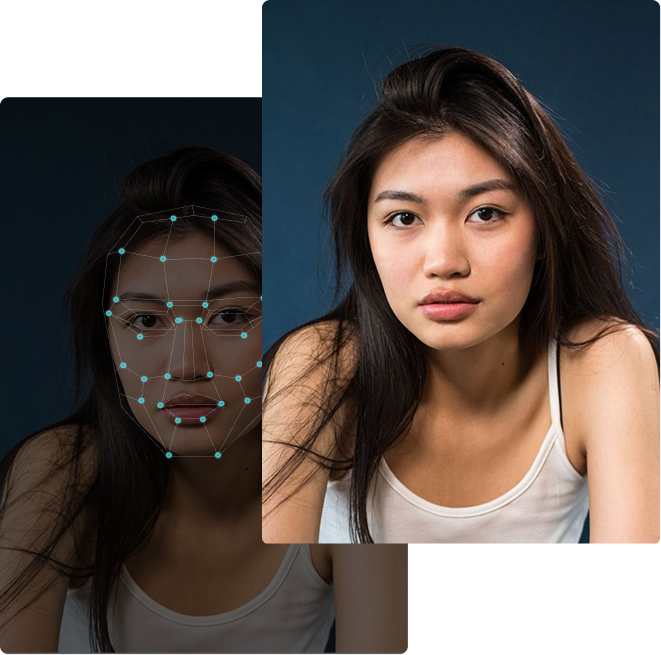



An identity injection attack inserts a fully fabricated identity — synthetic face, cloned voice, forged documents, fabricated metadata — into an identity verification workflow as if it were a legitimate capture.
Where presentation attacks fool the sensor, injection attacks bypass the sensor entirely, delivering attacker-controlled media directly to the IDV pipeline.
It is the dominant deepfake vector against modern IDV: vendor reports through 2025 attribute the majority of deepfake-driven IDV fraud to injection rather than presentation attacks.
For onboarding flows, every accepted injection becomes a synthetic account that fuels downstream fraud — money mule networks, credit-card cash-out, AML risk.
Attackers use virtual camera drivers (OBS Virtual Camera, Snap Camera variants), hooked SDKs, Android emulators, modified mobile firmware, and rooted devices to inject deepfake video into the IDV stack.
Real-time face-swap and lip sync models render at frame rate, so injected feeds correctly answer challenge-response prompts and display natural blink and head-motion behavior.
Document and selfie components are injected together as a coordinated package: GAN-generated face, matching forged passport image, fabricated address and phone metadata.
Liveness checks designed for sensor-level spoofing have no signal once the camera is bypassed — a perfect blink-on-cue means nothing if the blink came from a deepfake feed.
Mobile SDK integrity is rarely audited end-to-end, and detection of jailbroken or rooted devices is bypassed by mature fraud toolkits.
Siloed checks (document inspector, biometric matcher, address validator) cannot detect inconsistencies across a coordinated synthetic identity package.
Run deepfake detection on the pixel stream itself, independent of liveness — synthetic media looks the same to the detector whether captured or injected.
Add device attestation, SDK integrity verification, and virtual-camera fingerprinting at the input layer of the IDV flow.
Apply cross-modal checks that test consistency between document, biometric, and metadata components rather than evaluating each in isolation.


Deepfakes themselves are not inherently illegal, but their use can be. The legality depends on the context in which a deepfake is created and used. For instance, using deepfakes for defamation, fraud, harassment, or identity theft can result in criminal charges. Laws are evolving globally to address the ethical and legal challenges posed by deepfakes.
Deepfake AI technology is typically used to create realistic digital representations of people. However, at DuckDuckGoose, we focus on detecting these deepfakes to protect individuals and organizations from fraudulent activities. Our DeepDetector service is designed to analyze images and videos to identify whether they have been manipulated using AI.
The crimes associated with deepfakes can vary depending on their use. Potential crimes include identity theft, harassment, defamation, fraud, and non-consensual pornography. Creating or distributing deepfakes that harm individuals' reputations or privacy can lead to legal consequences.
Yes, there are some free tools available online, but their accuracy may vary. At DuckDuckGoose, we offer advanced deepfake detection services through our DeepDetector API, providing reliable and accurate results. While our primary offering is a paid service, we also provide limited free trials so users can assess the technology.
The legality of deepfakes in the EU depends on their use. While deepfakes are not illegal per se, using them in a manner that violates privacy, defames someone, or leads to financial or reputational harm can result in legal action. The EU has stringent data protection laws that may apply to the misuse of deepfakes.
Yes, deepfakes can be detected, although the sophistication of detection tools varies. DuckDuckGoose’s DeepDetector leverages advanced algorithms to accurately identify deepfake content, helping to protect individuals and organizations from fraud and deception.
Yes, if a deepfake of you has caused harm, you may have grounds to sue for defamation, invasion of privacy, or emotional distress, among other claims. The ability to sue and the likelihood of success will depend on the laws in your jurisdiction and the specific circumstances.
Using deepfake apps comes with risks, particularly regarding privacy and consent. Some apps may collect and misuse personal data, while others may allow users to create harmful or illegal content. It is important to use such technology responsibly and to be aware of the legal and ethical implications.
Synthetic faces. Cloned voices. Documents generated in the time it takes to read this sentence. DuckDuckGoose is the detection layer that catches what liveness can't — on every image, video, and audio your platform sees.

.png)

.png)