
The Deepfake Vectors Undermining Client Confidence in Banking and Fintech

Overview
Deepfakes have shifted from a future concern to an immediate threat. In the last two quarters, banks and fintechs have faced a surge in attacks that slip past traditional defenses. Injection attacks surged 2,665% over the past year, 1 in 20 verification attempts are now fraudulent, and voice-cloning losses are rising as single breaches ripple across accounts. Renewal conversations are no longer about features, they're about confidence. Clients now demand proof that providers can block injection, face-swap, and voice-clone attacks and demonstrate resilience under real-world conditions.
Why it matters

Why we made this report?

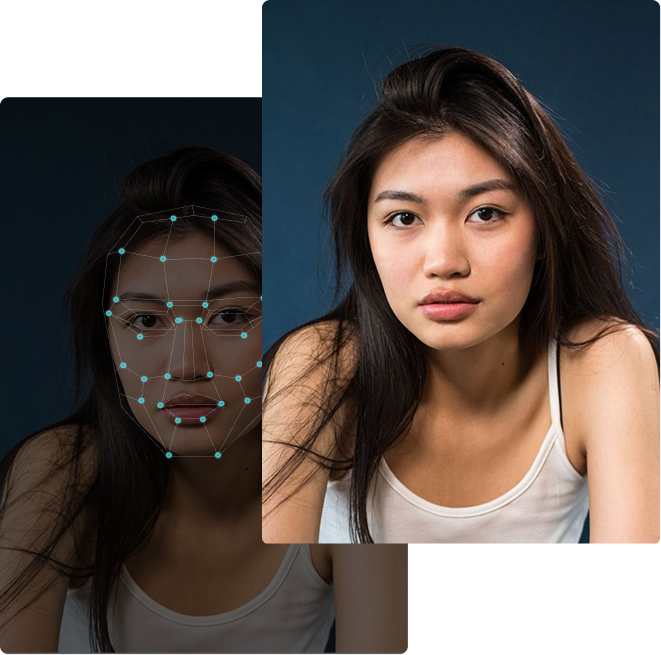
Fraud playbooks are being rewritten, and renewal discussions are no longer about features, they're about confidence. Banks and fintechs now face three escalating vectors: injection attacks that bypass device-based liveness, face-swap deepfakes that erode account opening trust, and voice cloning that enables credential resets and social engineering at scale. Despite this shift, many providers struggle to articulate their defenses clearly or prove resilience under real-world conditions. We created this report to expose how these three vectors undermine client confidence, and demonstrate the detection capabilities required to strengthen trust and win renewals.

Key Takeaways

2,665%
Increase in injection attempts over the past year
Native virtual camera injection attacks surged massively, bypassing device-based liveness by manipulating the data feed itself.
1 in 20
Verification attempts now fraudulent
Face-swap deepfakes paired with stolen IDs enable large-scale onboarding fraud, eroding account opening trust.
RISING
Voice deepfake losses with single breaches rippling across accounts
AI-cloned voices reset credentials and socially engineer support teams, forcing providers to counter with voice-print authentication and behavioral analysis.
Renewal
Discussions now focused on confidence, not features
Vendors unable to demonstrate robust deepfake resilience are eliminated at shortlist stage, creating competitive disadvantage.

Explore Key Findings

This report reveals how three deepfake vectors are reshaping client renewal conversations and why detection proof is now mandatory for maintaining trust.

Injection attacks manipulate data feeds directly, making them almost invisible to legacy defenses

Voice cloning enables credential resets and social engineering that ripple across multiple accounts

Clients now demand clear defense explanations and real-world resilience validation during renewals

Face-swap deepfakes enable 1 in 20 fraudulent verification attempts, eroding account opening trust

Providers without multimodal biometrics face client churn, regulatory pressure, and reputational damage

Providers demonstrating injection resilience, voice-print authentication, and behavioral analysis win renewals and strengthen trust

Defending client confidence in renewals

This paper includes detailed breakdowns of injection attack mechanics and 2,665% surge data, face-swap deepfake impact with 1-in-20 fraud rates, voice cloning tactics and countermeasures, client confidence risk analysis, and defense positioning strategies for demonstrating resilience during renewal conversations. Access the framework for protecting client trust and winning renewals in the deepfake era.

+5 more

More Whitepapers to explore

Reports
Deepfakes have evolved from entertainment tools into precision fraud weapons. This white paper reveals how attackers exploit IDV gaps, and how leading organizations are closing them.
Reports
Adoption is global. Readiness is not. From the EU's deliberate approach to Latin America's urgency-driven innovation, regulatory trajectories differ dramatically while the threat remains universal.
Reports
Detection isn't about perfection, it's about measurable, consistent improvement. This study reveals how AI stays ahead of adversarial generation without sacrificing operational efficiency.