

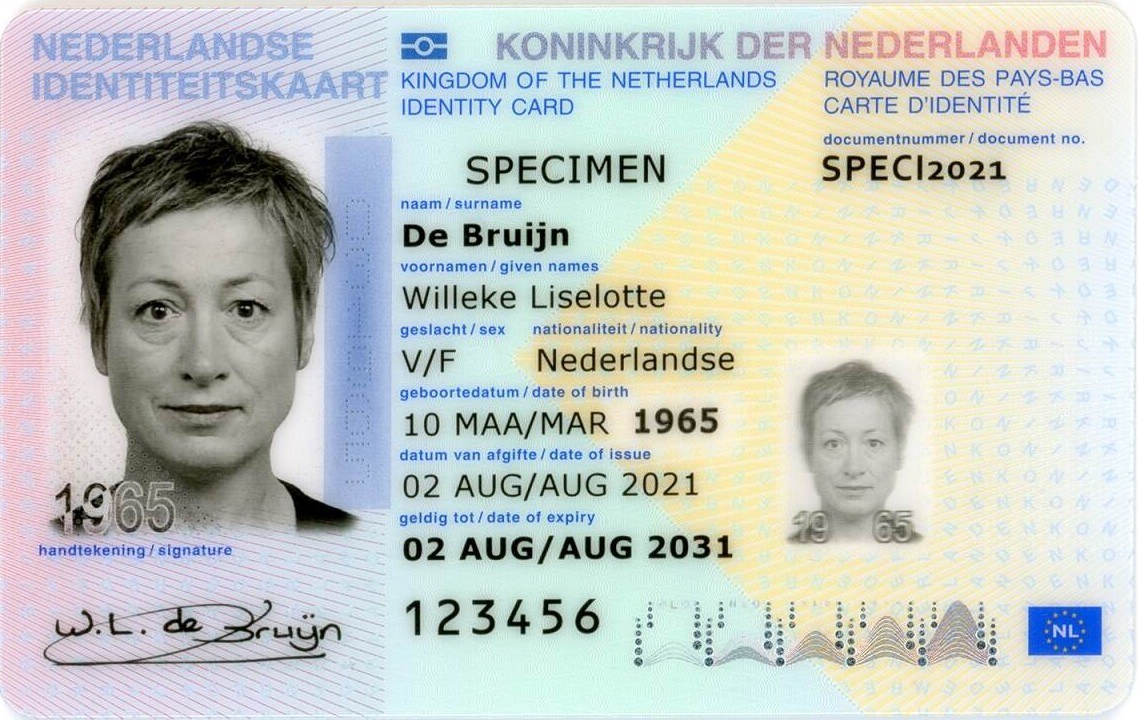



















Federated identity is quietly becoming the default way we prove who we are online. Instead of every service running its own identity check, one provider verifies you once and many others trust that result: signing in with a big platform account, an enterprise single sign-on, a national digital ID like Singpass, or an emerging digital identity wallet such as the one the EU is rolling out. It is more convenient and, done well, more secure. But it does not make the deepfake problem go away. It moves it, and it concentrates it.
This piece explains how federated identity changes the deepfake attack surface: what federation actually is, how it both shrinks and reshapes the surface, why the identity provider's proofing and recovery steps become the decisive battleground, how the blast radius of a single successful deepfake expands, and where defense now has to concentrate. It is written for identity architects, security teams, and anyone building or relying on federated login.
The core shift is simple to state and important to grasp: in a federated model, an attacker no longer has to beat a deepfake check at every service. They have to beat it once, at the identity provider, and the trusted credential they receive is accepted everywhere. That is why the standards bodies have started writing deepfake defenses directly into the identity-proofing step.
- Federated identity, where one provider verifies you once and many services trust that assertion, does not remove the deepfake problem; it relocates and concentrates it.
- The decisive shift is that beating a deepfake check once at the identity provider yields trusted access across every relying party downstream.
- Federation separates identity proofing (IAL) from authentication (AAL), and deepfakes attack the proofing moment, not the ongoing login.
- NIST's 800-63-4 revision explicitly added controls for injection attacks and forged media to the identity-proofing process, recognizing this exact risk.
- Federation can raise the security floor by consolidating verification at a well-resourced provider, but it makes that provider's proofing and recovery the crown jewels.
- Account recovery and re-proofing are a soft underbelly: a deepfake there can take over a federated identity and everything linked to it.
- Reusable credentials and digital wallets, from the EU Digital Identity Wallet to mobile driver's licenses, scale the value of a single successful deepfake at issuance.
- Defense should concentrate where the risk does: deepfake and injection detection at the provider's proofing, enrollment, and recovery, with relying parties stepping up for high-risk actions.
What Federated Identity Is, and Its Three Assurance Levels
In a federated model, an identity provider verifies a user and then issues an assertion that relying parties accept instead of doing their own verification. The examples span consumer and government: social and platform single sign-on, enterprise SSO, national digital identities like Singpass, the EU Digital Identity Wallet mandated under eIDAS 2.0, the US government's login.gov, and subscriber-controlled wallets holding verifiable credentials or mobile driver's licenses. In every case the pattern is the same: verify once, trust many times.
The US digital identity standard, NIST SP 800-63, gives this a precise vocabulary that is worth borrowing because it isolates exactly where deepfakes bite. It defines three separate assurance levels: Identity Assurance Level (IAL) for identity proofing, meaning the initial verification that you are who you claim; Authentication Assurance Level (AAL) for ongoing login; and Federation Assurance Level (FAL) for the strength of the assertion passed to a relying party. A key change in the latest revision was to decouple these, so an organization can demand strong authentication without heavy proofing, or vice versa. That separation matters here, because deepfakes do not attack the login. They attack the proofing.
Federation Both Shrinks and Reshapes the Attack Surface
It would be wrong to say federation only makes things worse; it genuinely reduces parts of the surface. Instead of hundreds of services each running their own, often weak, identity check that a fraudster could pick off one by one, verification consolidates at a smaller number of identity providers. A single well-resourced provider with strong deepfake detection can raise the security floor for every relying party that trusts it, and relying parties that stop collecting and verifying biometrics themselves shrink their own exposure. Consolidation, done well, is a real security gain.
The same consolidation, though, reshapes the surface in a way that raises the stakes. Value concentrates: the identity provider's proofing step becomes a single point through which trusted access to everything downstream can be obtained. The attack moves upstream, away from the many login screens and toward the one enrollment and recovery process. And relying parties lose visibility, because they see a trusted assertion, not the original selfie or video, so they cannot independently detect a deepfake that was laundered into a credential upstream. Fewer places to attack, but each one worth far more.
The New Crown Jewel: Identity Proofing and Recovery
Because deepfakes attack proofing rather than authentication, the identity provider's proofing moment becomes the crown jewel of a federated system. A deepfake that defeats enrollment does not just open one account; it mints a trusted identity that every relying party will accept, propagated through the federation assertion. This is not a theoretical concern to the standards bodies. The latest NIST guidance restructured its identity-proofing controls and, in its own words, added controls for addressing injection attacks and forged media, explicitly naming deepfakes, precisely because the proofing step is where synthetic media does the most damage in a federated world.
Account recovery is the soft underbelly of the same idea. Recovery is proofing performed again, often under time pressure and with lower scrutiny, and a deepfake that passes a recovery check can take over an existing federated identity along with everything linked to it. An attacker who cannot enroll a fresh synthetic identity may instead hijack a real one at the recovery step, and the payoff is identical: a trusted credential accepted across all relying parties. Any serious treatment of deepfakes in federation has to protect enrollment and recovery with equal rigor, because they are the same door.
Blast Radius, Wallets, and Why Relying Parties Cannot Just Trust
The property that makes federation efficient, one credential accepted everywhere, is also what enlarges the blast radius of a single successful deepfake. Compromise the proofing once and the access is not to one service but to the whole set that trusts the provider. Reusable credentials amplify this further. As NIST and eIDAS both now formally recognize digital wallets holding verifiable credentials and mobile driver's licenses as federation components, a deepfake that succeeds at the moment of issuance produces a durable, reusable credential that is presented again and again, so the fraud scales across time as well as across services. Researchers have even noted a decentralisation paradox, where wallets meant to distribute trust can re-concentrate it at the issuance step.
This is why relying parties cannot simply trust every assertion blindly. An assertion carries an assurance level, but a relying party running a high-stakes action may need more assurance than the provider's proofing delivered, and the abstraction of federation can hide that mismatch. The mature posture, reflected in the shift NIST describes from one-time checks toward continuous risk monitoring, is for relying parties to weigh the assurance behind an assertion and to step up verification for sensitive operations rather than treating a federated login as a permanent guarantee of who is on the other end.
What This Means for Defense
The defensive principle follows directly from the analysis: concentrate deepfake defense where federation concentrates the risk. That means putting strong deepfake and injection detection at the identity provider's proofing and enrollment, which is exactly where the NIST guidance now expects controls for forged media and injection, and applying the same detection to account recovery so the soft underbelly is not left open. The standard's own recommendation is to use automated tools that detect altered images, audio, and documents, with liveness checks confirming a real person, and to communicate assurance clearly so relying parties know what they are trusting. Relying parties, for their part, should step up and re-verify for high-risk actions rather than treating an assertion as unconditional, and monitoring should be continuous rather than a single gate.
For the identity providers and high-assurance issuers who now carry this concentrated responsibility, that is where DuckDuckGoose, based in Delft, fits. DeepDetector analyzes images and video for the signatures of synthetic media at the proofing and recovery moments that federation makes decisive, catching AI-generated faces and injected feeds that would otherwise be minted into a trusted credential, with explainable output and ISO 27001, SOC 2, and GDPR compliance that support the governance these systems demand. It complements the liveness and authentication controls a federated stack already runs. For the injection vector the standards now name, see our guide to how injection attacks feed deepfakes into verification, and for why the proofing selfie is so exposed, how deepfakes bypass KYC.
Frequently Asked Questions
What is federated identity?
It is a model where one identity provider verifies a user and issues an assertion that other services, called relying parties, accept instead of running their own verification. Examples include single sign-on, national digital IDs like Singpass, the EU Digital Identity Wallet, login.gov, and wallets holding verifiable credentials or mobile driver's licenses. The principle is verify once, trust many times.
How does federated identity change the deepfake attack surface?
It both shrinks and concentrates it. There are fewer verification points, because one provider's proofing replaces many separate checks, which can raise the security floor. But the value of each point rises sharply, because beating the deepfake check once at the provider yields a trusted credential accepted across every relying party. The attack moves upstream to enrollment and recovery.
Why do deepfakes attack identity proofing rather than login?
Because proofing is where a claim of identity is first established, and a synthetic identity or deepfake only needs to pass that once to be trusted thereafter. Authentication confirms an already-proofed user is logging in, and can be made phishing-resistant with passkeys. NIST's framework separates these as IAL for proofing and AAL for authentication, and deepfakes target the IAL step.
What does NIST 800-63-4 say about deepfakes?
The Revision 4 update restructured identity-proofing controls and added controls for addressing injection attacks and forged media, explicitly including deepfakes. It also expanded fraud requirements for proofing, recognized subscriber-controlled wallets as federation components, and shifted emphasis toward continuous risk monitoring rather than one-time checks.
Why is account recovery a weak point in federation?
Because recovery is identity proofing done again, often under time pressure and with less scrutiny, and a deepfake that passes it can take over an existing federated identity and everything linked to it. The payoff matches enrolling a fresh synthetic identity, so recovery must be protected with the same deepfake detection as initial enrollment.
Should relying parties trust every federated assertion?
Not unconditionally. An assertion carries an assurance level that may be lower than a high-stakes action requires, and relying parties never see the original media, so they cannot detect a deepfake laundered upstream. The mature approach is to weigh the assurance behind an assertion and step up verification for sensitive operations rather than treating a login as a permanent guarantee.
Where should deepfake detection sit in a federated model?
Where the risk concentrates: at the identity provider's proofing, enrollment, and recovery steps, which is exactly where NIST now expects controls for forged media and injection. Detection there protects every relying party at once, and relying parties can add step-up verification for high-risk actions, with continuous monitoring rather than a single check.

About the author