

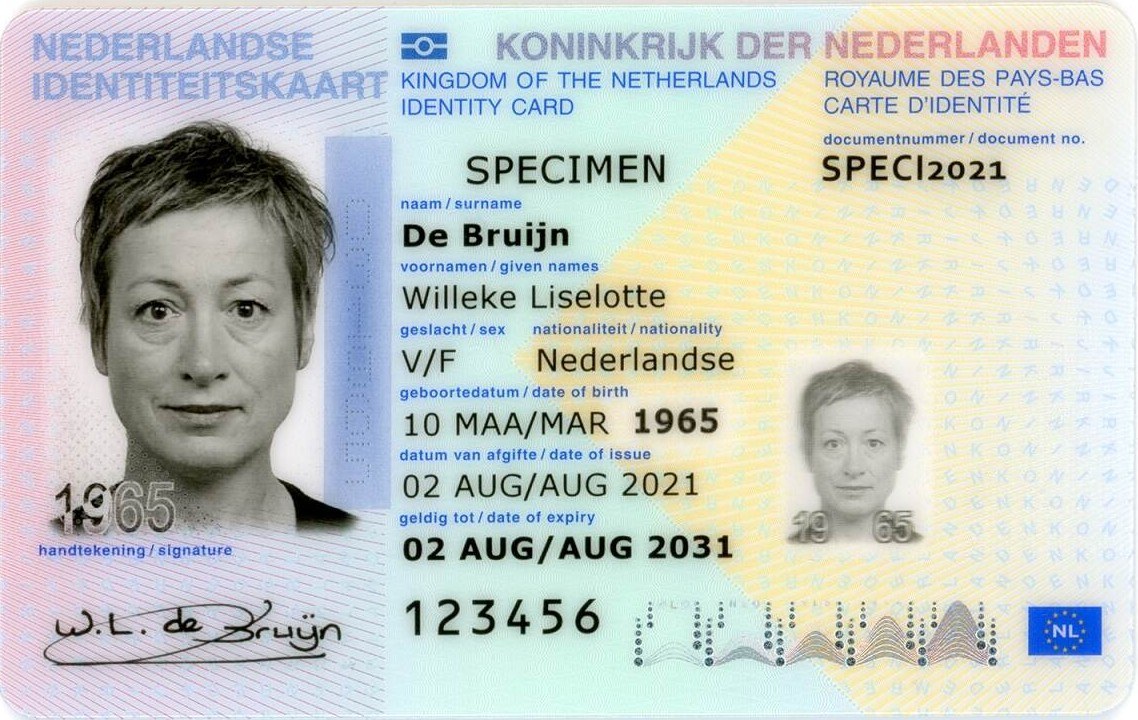















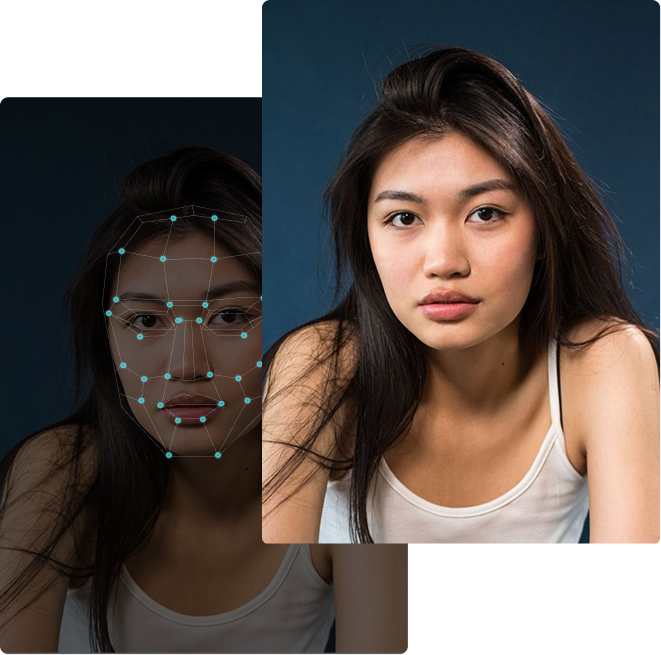




Gig and driver platforms run one of the largest remote onboarding operations in the economy. A mid-sized rideshare or delivery platform can sign up tens of thousands of new workers a week, almost entirely through a phone: a photo of an ID, a selfie, a few documents. That selfie is doing enormous work. It is the fraud control that keeps out people who cannot pass a background check, and it is the safety promise that the person who arrives to drive a passenger or deliver an order is the vetted person the platform approved. Deepfakes break both at once.
This piece explains how deepfakes attack driver and gig-worker onboarding: why these platforms are such an attractive target, the specific fraud patterns deepfakes enable, how the fakes get in, why the periodic re-verification meant to stop account sharing is the real weak point, and what platforms can do about it. It is written for the trust, safety, and fraud teams at platforms where a verified identity is the product.
The shift that frames everything is a change in the core question. It used to be, did this worker pass the background check? It is now, is the person working today the same person who passed it? A one-time selfie at sign-up cannot answer the second question, and that is exactly the gap deepfakes exploit.
- Gig and driver platforms onboard workers remotely at huge scale, and the verified identity is a passenger-safety promise, not just a fraud control.
- The key question has shifted from did this worker pass the background check to is the person working today the same person who passed it.
- Account renting and worker substitution are the defining gig-fraud vectors: a verified worker hands the account to someone unvetted, and deepfakes let the substitute pass identity checks.
- Deepfakes also power synthetic-worker identities, stolen-identity onboarding, ban evasion, and duplicate accounts.
- The attack vectors are deepfake selfies, injection attacks via virtual cameras, AI-forged documents, and, critically, defeating shift-start re-verification.
- Periodic re-verification is the main control against account sharing, and real-time face swaps are exactly what defeat it.
- The stakes are safety, fraud, and compliance, from the EU Platform Work Directive to New York driver checks to UK illegal-working penalties.
- Defense means deepfake-aware detection at onboarding and at every shift, plus injection detection, document forensics, and duplicate-face search.
A gig platform's verified selfie is a passenger-safety promise. Deepfakes break that promise at onboarding and again at every shift — and the numbers are moving fast.
Why Gig Onboarding Is a Prime Target
Three features make gig platforms unusually exposed. The first is scale and speed. Onboarding tens of thousands of workers a week, with limited human oversight and intense pressure to keep sign-up friction low so applicants do not abandon, produces a threat surface earlier screening models were never built for. The second is that verification is almost entirely remote and selfie-based, which is precisely the surface a deepfake is designed to defeat. The third is that the stakes are unusually high: unlike a typical account, a verified gig worker is trusted to enter a stranger's car, home, or neighbourhood, so a defeated check is a physical-safety failure, not only a financial one.
The threat is also growing fast. Deepfakes now rank among the top five fraud types globally, one identity-verification provider projects deepfake fraud rising nearly 500% in 2026, and Gartner estimates that up to one in four candidate profiles could be fake by 2028. Layered on top is regulation: platforms must satisfy a fragmenting set of rules, from New York's quarterly driver checks to the EU Platform Work Directive, with a transposition deadline of December 2026, to the UK, where the Home Office issued more than 1,500 civil penalty notices to gig platforms in a nine-month period, with fines reaching tens of thousands of pounds per illegal worker. A weak identity check is now simultaneously a safety risk, a fraud loss, and a compliance liability.
The Attacks: Account Rental, Ghost Workers, and Synthetic Identities
The defining fraud pattern on gig platforms is not a stranger sneaking in once; it is the gap between the verified account and the person actually working. Account renting is the clearest case: a legitimate worker passes the background check, licensing, and vehicle requirements, then rents or sells their account to someone who could not have passed any of them. The platform sees a normal, verified account completing trips and receiving payouts, while the person behind the wheel has changed. This is well documented; in one case, London regulators found that roughly 14,000 rides over a few months were completed by unverified drivers using rented accounts.
Around that core sit related patterns. Worker substitution is account renting made routine, with a ghost driver or courier operating day to day. Stolen-identity onboarding pairs a real person's ID with a deepfake selfie built to match it, making the victim liable while an impersonator works. Synthetic identities use an AI-generated face and forged documents to conjure a worker who does not exist, useful for payout fraud, money laundering, and operating at scale. Ban evasion lets a deactivated worker re-onboard under a fresh or synthetic identity. And duplicate accounts let one person run many profiles to game orders and bonuses. Deepfakes are the enabling technology across all of them, because each one depends on defeating a face check.
Table 1: The onboarding attacks deepfakes enable on gig and driver platforms.
How Deepfakes Get In
The mechanics are the same ones that defeat identity verification generally, applied to the gig context. The most direct is a deepfake selfie at the onboarding step, a face-swap or AI-generated face submitted to pass the selfie-to-ID match, a technique covered in our guide to how deepfakes bypass KYC. More sophisticated is an injection attack, where virtual-camera software or an emulator intercepts the device camera and feeds a pre-recorded or synthetic video directly into the app in place of the live feed, so nothing real is ever presented to the lens, the vector we detail in how injection attacks feed deepfakes into verification. Alongside the face, AI-forged documents supply convincing licenses, insurance, and work-authorization papers.
The gig-specific vector, though, is re-verification. Because a one-time check cannot catch account sharing, platforms have added periodic identity checks, often a shift-start selfie meant to confirm the active worker is the account holder. This is the right idea, but it becomes the primary target, because a renter or substitute needs to pass it repeatedly. A real-time face swap, driven live by whoever is actually working, lets the substitute clear each shift-start selfie as the verified account owner, quietly keeping the account and the working person disconnected.
Same worker journey, two verification models
The account holder passes onboarding. The person actually working on shift 12 may not be the same human — and that's where the model matters.
Why Re-Verification Is the Weak Point
Recurring verification is the single most important control a gig platform has against its defining fraud, and it is also where deepfakes do their most damage. The whole point of a shift-start or periodic selfie is to answer the ongoing question, is this still the same person, that onboarding alone cannot. But that control assumes the selfie is a truthful live capture of whoever is present. A real-time deepfake breaks the assumption: the person operating the account presents a live-driven synthetic face of the verified owner, and the check passes even though the wrong person is working.
This is why treating deepfake defense as a one-time onboarding step is a mistake in this vertical specifically. If re-verification is not itself deepfake-aware, it provides a false sense of security, appearing to confirm continuity of identity while a substitute clears it on demand. The verified profile and the working person drift apart, and the platform cannot see it. As one analysis of the problem put it, the platform sees a verified profile, and the passenger, diner, or buyer gets an unknown stranger.
Table 2: Deepfakes attack both onboarding and the ongoing re-verification meant to stop account sharing.
Which control catches which attack (and where the blind spots stay open)
Even adding deepfake detection at onboarding still leaves the two gig-defining attacks — account renting and worker substitution — untouched. They happen after approval. Only deepfake-aware re-verification closes the gap.
What Is at Stake, and How Platforms Defend
The consequences separate this vertical from ordinary account fraud, because they run from money to physical safety. On the fraud side, defeated onboarding enables payout and promo abuse, money laundering through instant payouts, and rideshare-specific schemes like closed-loop fraud, where an operator controls both a synthetic driver and synthetic riders and simulates trips for payouts. On the safety side, the person entering a passenger's car or arriving at a customer's door may be unlicensed, unvetted, or previously banned, which is the exact harm identity verification exists to prevent. And on the compliance side, a defeated check can breach the EU Platform Work Directive, US local rules such as New York's driver checks, and the UK's illegal-working penalties, turning a fraud gap into a regulatory one.
Defending against this means keeping the working person matched to the verified identity, at every step rather than once. That starts with deepfake-aware detection at onboarding, catching deepfake selfies and forged-document images at sign-up, and injection detection that flags virtual cameras and emulated feeds bypassing the camera. Critically, it extends the same detection to re-verification, so a shift-start selfie actually confirms a live, real worker rather than a puppeted face. Duplicate-face search across enrolled workers catches one person operating many accounts, and device and location intelligence helps keep the link between the verified and the active worker intact. This is where DuckDuckGoose, based in Delft, fits: DeepDetector analyzes images and video for the signatures of synthetic media at both onboarding and re-verification, with explainable output, EU data residency suited to the Platform Work Directive, and ISO 27001, SOC 2, and GDPR compliance, so the person working is the person the platform actually approved. For the fuller picture of how synthetic workers are constructed, see our guide to how synthetic identities are generated.
Table 3: The layers that keep the working person matched to the verified identity.
Frequently Asked Questions
How do deepfakes attack gig-worker and driver onboarding?
Mainly by defeating the selfie check that platforms rely on. A deepfake selfie or an injected synthetic video can pass the onboarding face-to-ID match, letting a fraudster onboard with a stolen or synthetic identity. Deepfakes also defeat the periodic re-verification meant to confirm the active worker is the account holder, which enables account renting and substitution.
What is account renting in the gig economy?
It is when a verified worker who passed the background check, licensing, and vehicle requirements rents or sells their account to someone who could not qualify on their own. The platform sees a normal verified account, but the person actually driving or delivering is unvetted. Deepfakes make it durable by letting the substitute pass any repeat identity checks.
Why is periodic re-verification the weak point?
Because it is the main control against account sharing, so it is the thing attackers must defeat repeatedly, and a real-time face swap does exactly that. If the re-verification selfie is not deepfake-aware, a substitute can present a live-driven synthetic face of the verified owner and clear the check on demand, keeping the account and the working person disconnected.
What is at stake if a deepfake passes gig onboarding?
Three things. Safety, because an unvetted, unlicensed, or banned person may be entering a passenger's car or a customer's home. Fraud, including payout abuse, promo fraud, money laundering, and closed-loop schemes. And compliance, because a defeated check can breach rules like the EU Platform Work Directive, New York's driver checks, or UK illegal-working penalties.
Can liveness detection stop these deepfakes?
Not on its own. Liveness confirms a live person is present, but a real-time face swap is driven by a live person, so it can pass liveness while showing a synthetic face, and injection attacks bypass the camera entirely. Stopping these attacks requires dedicated deepfake detection and injection detection layered on top of liveness, applied at both onboarding and re-verification.
How can platforms keep the working person matched to the verified account?
By verifying continuously rather than once. Deepfake-aware detection at onboarding and at every shift-start check, injection detection, AI-forged-document analysis, duplicate-face search to catch one person across many accounts, and device and location intelligence together keep the verified identity and the active worker linked over time.
How big is the deepfake threat to gig platforms?
Large and growing. Deepfakes rank among the top global fraud types, one provider projects deepfake fraud rising nearly 500% in 2026, and analysts estimate up to a quarter of candidate profiles could be fake by 2028. Combined with high onboarding volumes and tightening regulation, that makes deepfake-aware verification a near-term priority for platforms.

About the author