















Blog

The $193 Million Question: Why Banks Can't Stop Deepfake Fraud


See our deepfake detection flag a fake selfie, document, or voice clone inside a live identity verification flow. Book 30 minutes and watch it run on your own KYC data, in seconds.
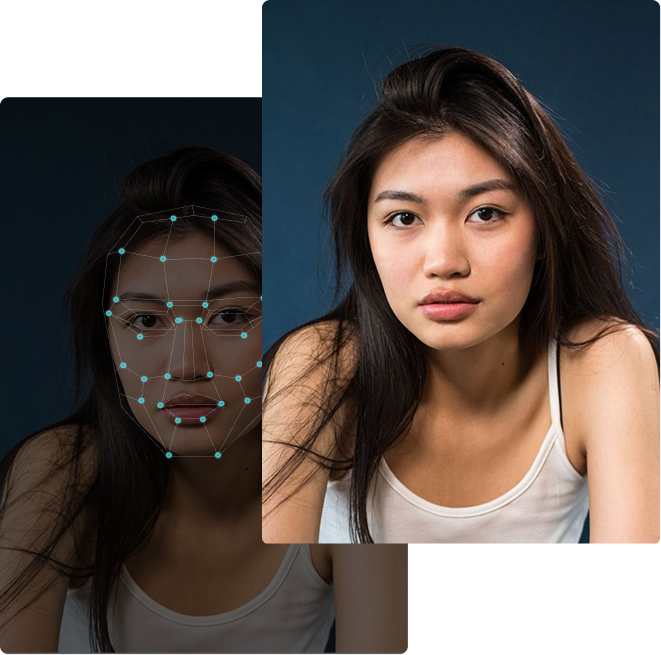



Passive liveness failure occurs when passive liveness detection incorrectly classifies synthetic or manipulated biometric media as genuine without user interaction.
Passive liveness is favored for its low friction and better user experience. However, this convenience comes at the cost of reduced resilience against sophisticated attacks.
High-quality deepfakes naturally exhibit many of the signals passive liveness systems look for, such as subtle motion, lighting variation, and facial texture.
Passive systems lack challenge-response mechanisms and therefore cannot test unpredictability. They also assume media originates from a real sensor.
Passive liveness must be supplemented with deepfake detection to validate media authenticity.


Deepfakes themselves are not inherently illegal, but their use can be. The legality depends on the context in which a deepfake is created and used. For instance, using deepfakes for defamation, fraud, harassment, or identity theft can result in criminal charges. Laws are evolving globally to address the ethical and legal challenges posed by deepfakes.
Deepfake AI technology is typically used to create realistic digital representations of people. However, at DuckDuckGoose, we focus on detecting these deepfakes to protect individuals and organizations from fraudulent activities. Our DeepDetector service is designed to analyze images and videos to identify whether they have been manipulated using AI.
The crimes associated with deepfakes can vary depending on their use. Potential crimes include identity theft, harassment, defamation, fraud, and non-consensual pornography. Creating or distributing deepfakes that harm individuals' reputations or privacy can lead to legal consequences.
Yes, there are some free tools available online, but their accuracy may vary. At DuckDuckGoose, we offer advanced deepfake detection services through our DeepDetector API, providing reliable and accurate results. While our primary offering is a paid service, we also provide limited free trials so users can assess the technology.
The legality of deepfakes in the EU depends on their use. While deepfakes are not illegal per se, using them in a manner that violates privacy, defames someone, or leads to financial or reputational harm can result in legal action. The EU has stringent data protection laws that may apply to the misuse of deepfakes.
Yes, deepfakes can be detected, although the sophistication of detection tools varies. DuckDuckGoose’s DeepDetector leverages advanced algorithms to accurately identify deepfake content, helping to protect individuals and organizations from fraud and deception.
Yes, if a deepfake of you has caused harm, you may have grounds to sue for defamation, invasion of privacy, or emotional distress, among other claims. The ability to sue and the likelihood of success will depend on the laws in your jurisdiction and the specific circumstances.
Using deepfake apps comes with risks, particularly regarding privacy and consent. Some apps may collect and misuse personal data, while others may allow users to create harmful or illegal content. It is important to use such technology responsibly and to be aware of the legal and ethical implications.
Synthetic faces. Cloned voices. Documents generated in the time it takes to read this sentence. DuckDuckGoose is the detection layer that catches what liveness can't — on every image, video, and audio your platform sees.

.png)
.png)